The Sport Wanted a Star. It Got a Protagonist. Those Are Not the Same Thing.
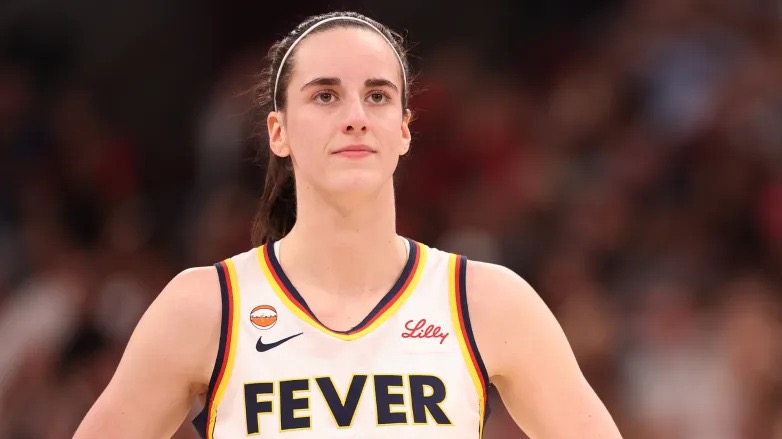
A star sells the night. A protagonist changes the entire conversation and then forces everyone to question why the spotlight was pointed somewhere else.
Caitlin Clark is the second kind.
That is why the league keeps sounding surprised inside its own building.
Stars are convenient. They hit the big shot and leave the argument where the producer left it.
Protagonists drag the argument onto the floor.
They get hit, and then they make eight threes.
They get criticized, and then they deliver 12 assists.
They get discussed as a market, and then they produce a stat line that has no precedent.
Every rising league goes through this adjustment.
The established structure resists the new force. Then the money notices that the new force is helping drive the entire sport forward. Eventually, the official language catches up — late and breathless.
“Uncharted.”
“1-of-1.”
“Nuclear.”
The defenders of the old way call it too much.
Too much coverage.
Too much range.
Too much personality.
Too many people in the building who did not used to care.
They are describing growth as if it were a problem.
The WNBA does not have to love Caitlin Clark.
It has to decide what kind of league it wants to be.
A private club with better lighting, or a public sport.
Public sports survive protagonists.
Closed clubs survive press releases.
Friday was not a press release.
It was a player walking through a door the sport had not even cut yet — and holding it open long enough for a teammate to walk through with 34 points of her own.
That is not hype.
That is the story.
The commentary can catch up.
Or it can keep rearranging the lamps.